
In March we watched COVID-19 inundate NYC hospitals, and those of us in the medical community started preparing for the avalanche of patients that would overwhelm our local healthcare systems. I spent the first 20 years of my career working in a hospital setting, and I know many dedicated staff there who readied themselves to battle this pandemic.
But an interesting thing happened in most of the country, including S.C.: our hospitals were not inundated, and didn’t run out of ventilators or PPE. Our hospital staffs were not decimated by disease, but rather by the lack of work. At the same time, another scenario was playing out in a very different location: a Kirkland, Washington nursing home was being ravaged by COVID-19. It has only gotten more serious, with nursing homes now accounting for some 50 percent of all COVID-19 deaths. And the leaders in this battle were so worried about preparing hospitals, making sure they had all the necessities to keep from being overwhelmed in a NYC-like scenario, that they overlooked a bigger threat — the deadly spread of the virus in nursing homes.
As we fight COVID-19, we need to recognize that there is a very real struggle going on between hospitals and nursing homes. The arrangement of the past few years, where patients are able to transfer from one to the other, depending upon level of care needed, has worked fairly well for the hospital and nursing home.
Not anymore.
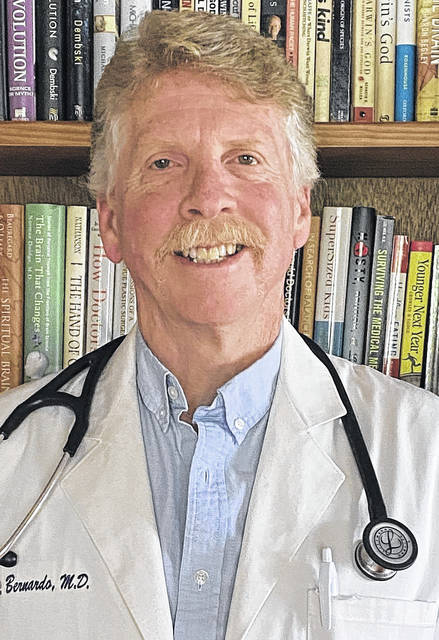
I serve as attending physician and medical director for four S.C. nursing homes in Newberry and Laurens Counties. They all strive to provide excellent care. But NONE of them are capable of the level of isolation needed to truly contain a virus such as COVID-19 — indeed, very few nursing homes nationwide are. In contrast, hospitals have negative pressure isolation rooms to contain airborne spread. Hospitals received federal funding early on for supplies of PPE, in addition to getting help from large corporations. They have highly trained personnel on the frontlines; practically speaking, hospitals are set up for quarantining in ways that most nursing homes can’t attain.
The homes where I work are trying to get creative, blocking off hallways as “temporary isolation areas” or putting up plastic sheets, to try to maintain some semblance of quarantine. We have limited supplies of PPE. In addition, social distancing is impossible in the nursing home. The residents are there because they cannot care for themselves; someone has to help them with bathing, grooming, dressing and often eating — so it is a high touch environment. Many nursing home residents have dementia, with difficulty following directions. One of my patients, a very social gentleman with mild dementia, developed fever and cough – we swabbed for COVID-19, talked with him about staying in his room and wearing a mask, and initiated droplet precautions. However, an hour later he was walking down the hallway, wearing his mask — on top of his head. And of course, every nursing home has many residents just like him.
With all this in mind, I recently sent a nursing home resident with Dementia, COPD and COVID-19 Pneumonia to a hospital we work with. She was oxygen-dependent and dehydrated. Up to that time, that hospital had admitted no COVID-19 positive patients. After receiving IV fluids in the ER, and adjusting her oxygen level, she was considered not sick enough for admission. I argued strenuously that the hospital was the BEST place, and that the nursing home was the WORST place, for her to be in the entire county. I tried to make the case to the hospital leaders that this was a “community problem,” that things could get much worse if returning this patient to the nursing home led to a facility-wide outbreak; they told me it was “the nursing home’s problem, not the hospital’s problem.” I was attempting a huge “paradigm shift” — getting hospital doctors and administrators to see their facility as a place for quarantining patients to prevent the spread of infection, rather than treating only the sickest, and discharging them as soon as possible.
What can we do to better protect our elders, and our communities, as the battle against COVID-19 has shifted to nursing homes? We must recognize this struggle between hospitals and nursing homes and come up with solutions that work for both parties. Here are some observations:
1. No patient should be admitted to a nursing home without a recent COVID-19 negative test result. Gov. McMaster has mandated the testing of every resident and worker in S.C. nursing homes. Yet elders are still admitted to nursing homes from hospitals who consider testing unnecessary if the patients are asymptomatic. Why test all nursing home staff, symptomatic or asymptomatic, but have no directive to hospitals to test patients before transferring them to a nursing home? Working with our local hospital in Newberry, we have gotten all patients there tested prior to transfer to the homes.
2. Hospitals are clearly better suited than nursing homes for effective isolation of COVID-19 patients. Although it is clear that most hospitals do not see themselves in this role; historically, during times when the spread of infectious disease was a constant threat, they functioned effectively as quarantine centers. Governmental and health care leaders need to reconsider this option.
3. If hospital quarantine is not desired, alternate facilities for housing COVID-19 patients away from the general nursing home population could be established, such as unused hospitals or hotels, or specially designated COVID+ nursing homes (which has been done in some states already). Hospitals have received millions of dollars to care for COVID-19 patients — how about funding alternate facilities?
Coronavirus is still moving through the nursing homes of our state. We need to take action now; we also need a plan for the future, as we will surely face this scenario again — whether in a fall surge of COVID-19, or the next pandemic sure to come our way.